Compare Japanese Knotweed Removal
Get Free Quotes
Identification Guide · 2026

How to identify Japanese knotweed: 6 tell-tale signs

In short

Japanese knotweed has hollow, bamboo-like stems flecked with purple, heart or shield-shaped leaves up to 14cm across arranged in a zig-zag along the stem, and sprays of creamy-white flowers in late summer. In spring it emerges as red-purple asparagus-like shoots; in winter the canes die back to brown, hollow stalks. If it matches, don't cut or dig it — get it identified and quoted before it spreads.

Hollow bamboo-like knotweed stems with purple speckles

1. Bamboo-like stems

Hollow, green canes flecked with purple or red. They shoot up fast in spring and can reach 2–3 metres by mid-summer.

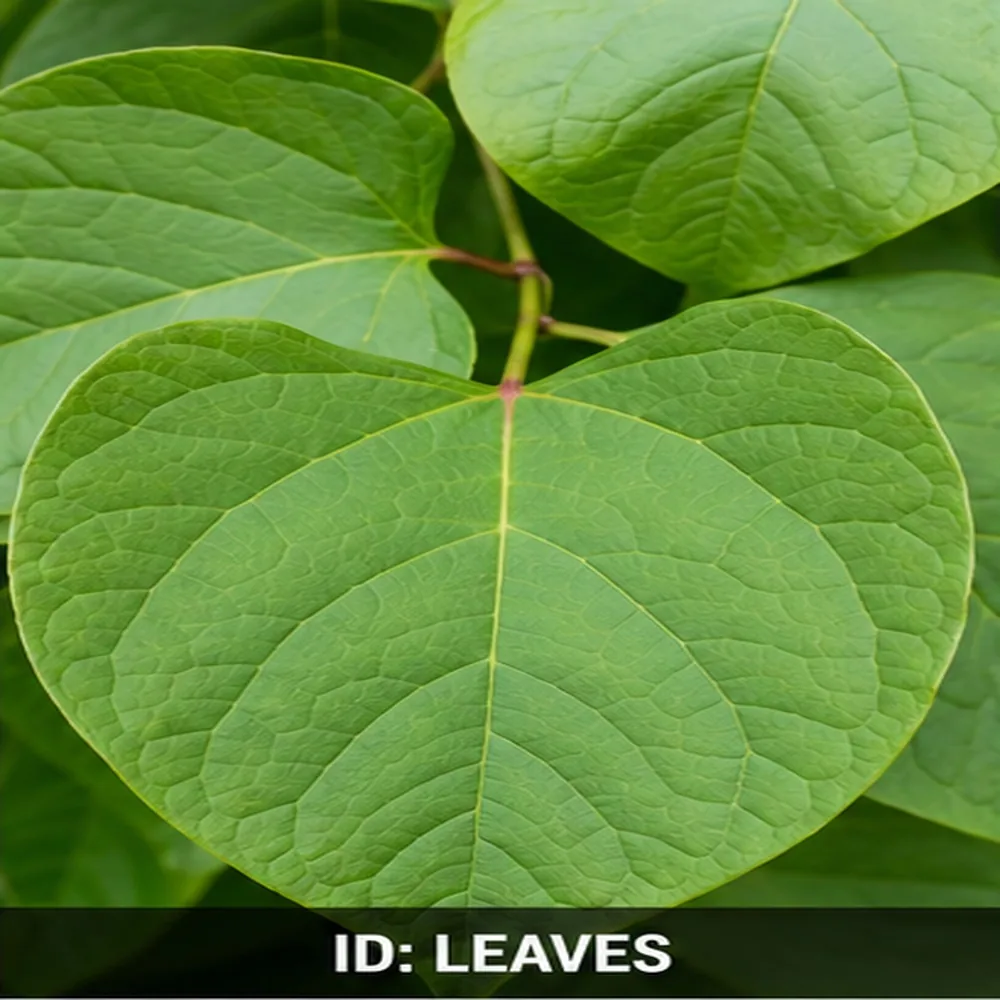
Heart or shield-shaped knotweed leaves

2. Heart-shaped leaves

Bright green, shield or heart-shaped leaves up to 14cm across, arranged alternately along the stem.

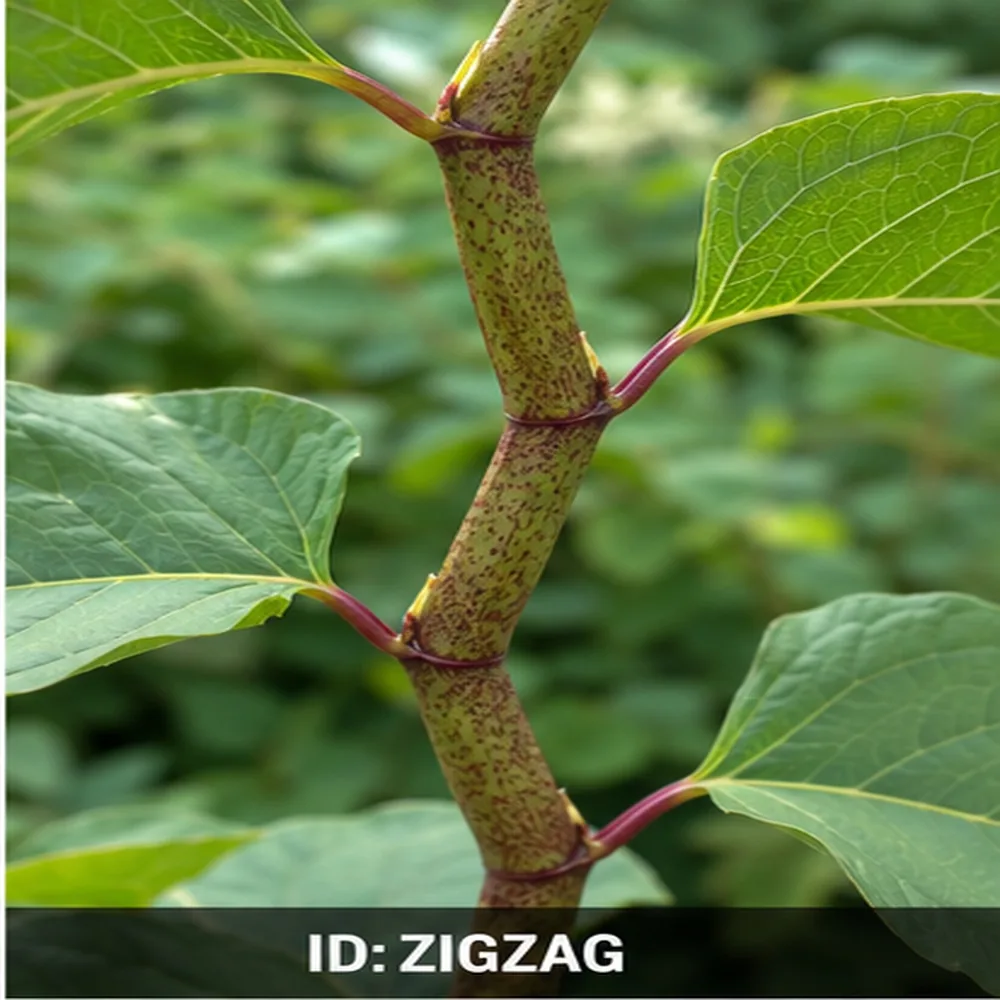
Knotweed stem showing zig-zag growth pattern

3. Zig-zag stems

Leaves come off the stem in a distinctive zig-zag pattern — one of the clearest identifiers.

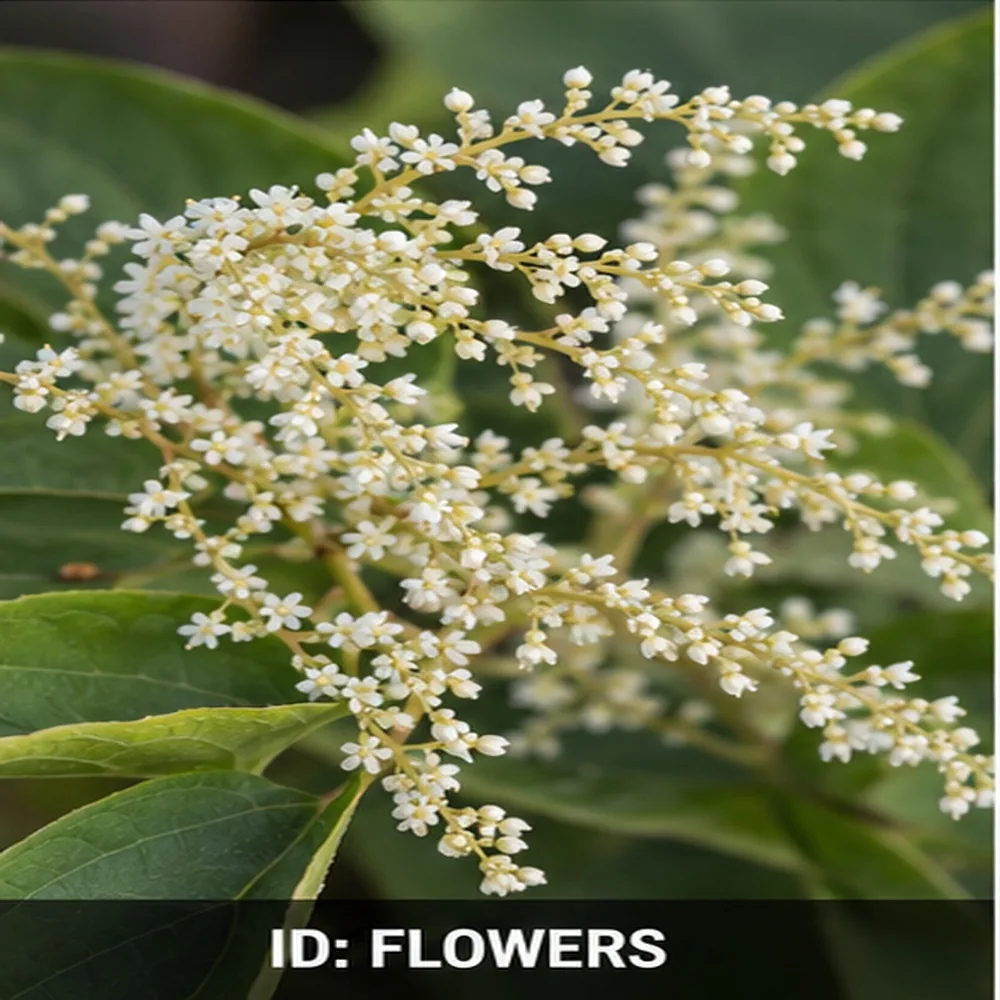
Creamy-white knotweed flower sprays in late summer

4. White flowers (Aug–Sep)

Sprays of tiny creamy-white flowers appear in late summer, attracting bees.

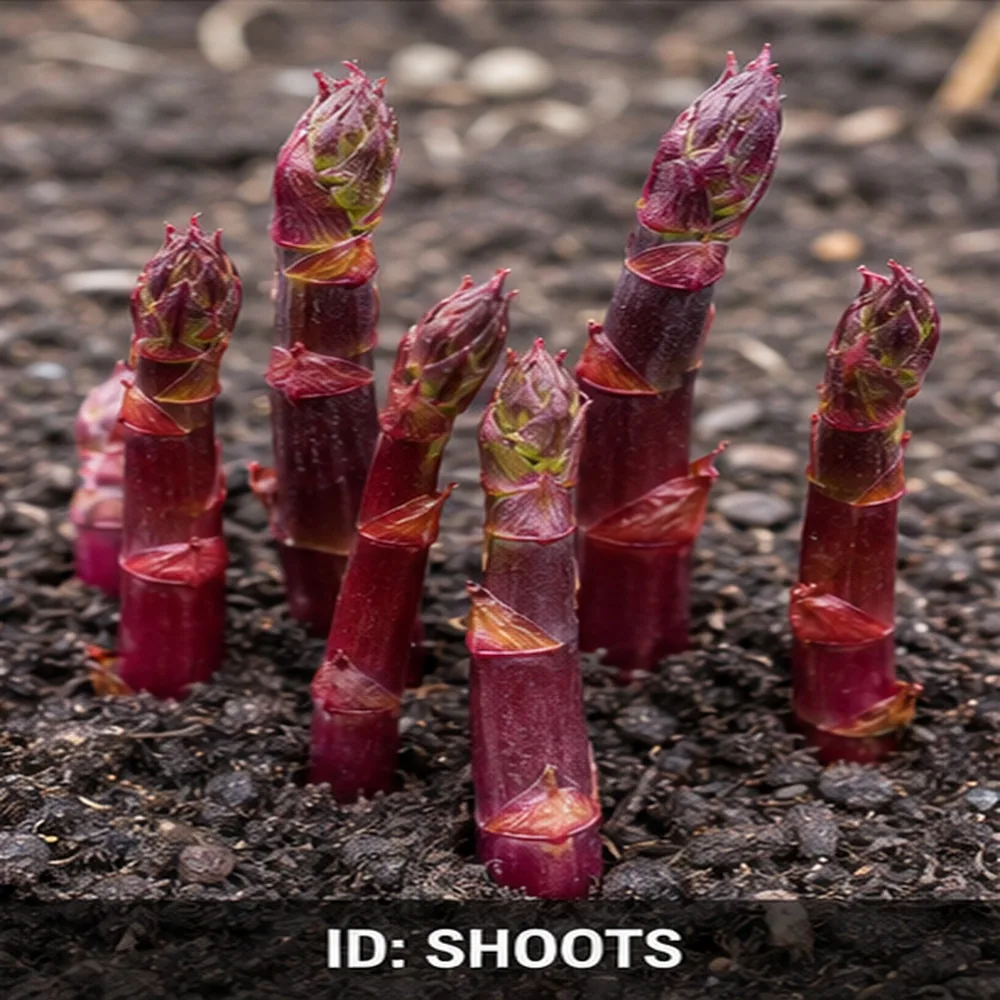
Red and purple knotweed spring shoots

5. Red spring shoots

In early spring, red-purple asparagus-like shoots push up from the ground, often through bare soil.

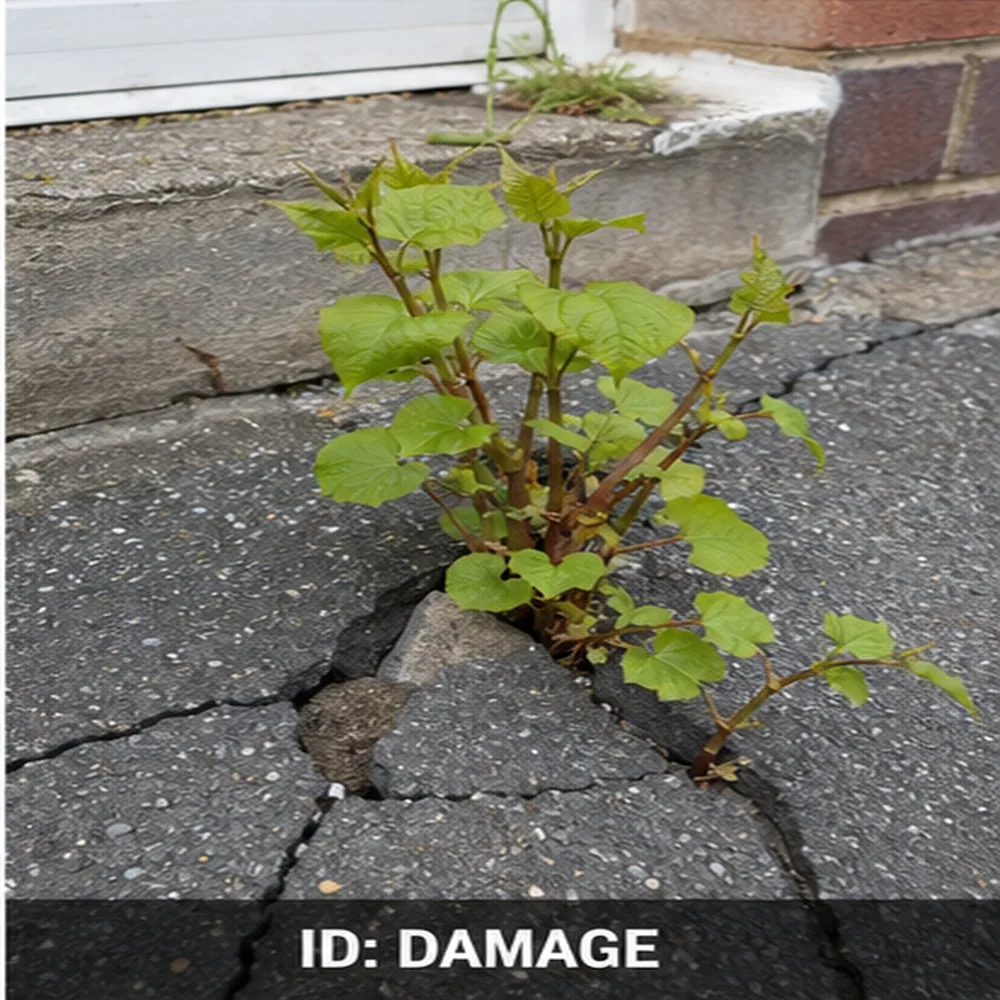
Knotweed growing through cracked tarmac

6. Growing through hard surfaces

Exploits cracks in tarmac, patios, drains and walls — a sign of an established rhizome system below.

Commonly mistaken for knotweed

Several harmless plants look similar. Bindweed, houttuynia, lilac, dogwood and ornamental bamboo are the usual false alarms. If you're unsure, don't cut or dig it — that can spread it — send a photo to a specialist for free identification first.

Why speed matters

Knotweed can grow up to 10cm a day in summer, and its rhizomes reach 3m deep and 7m outwards. The earlier it's caught, the cheaper and simpler it is to treat.

How knotweed changes through the year

Japanese knotweed looks completely different from season to season, which is why it’s so often missed or mistaken for other plants. Here’s what to look for month by month:

  1. 1
    Early spring (Mar–Apr)

    Red or purple asparagus-like shoots push up fast from the ground, often with rolled-up leaves. Growth can reach several centimetres a day.

  2. 2
    Late spring (Apr–May)

    Bright green, shovel/heart-shaped leaves unfurl in a distinctive zig-zag pattern along hollow, bamboo-like stems.

  3. 3
    Summer (Jun–Aug)

    Dense green thickets up to 2–3 metres tall, with lush foliage that shades out other plants. This is when it’s most obvious.

  4. 4
    Late summer/autumn (Aug–Sep)

    Sprays of small creamy-white flowers appear, attracting bees. The stand is at its largest.

  5. 5
    Autumn (Oct–Nov)

    Leaves yellow and fall; flowers fade. Growth slows as the plant draws energy down into its rhizome — the best window for treatment.

  6. 6
    Winter (Dec–Feb)

    Above-ground growth dies back to hollow, brittle brown canes that stay standing. The plant looks “dead” but the rhizome is very much alive underground.

Tip

The dead-looking brown canes in winter are the number-one reason knotweed is missed on a viewing. If you see dry, bamboo-like stems in a clump, get it checked before spring regrowth.

Where knotweed most commonly grows

Knotweed spreads along disturbed ground and watercourses, which is why certain spots are worth checking first:

  • Along riverbanks, streams and drainage ditches
  • Beside railway lines and old industrial land
  • Against fences, walls and boundaries with neighbours
  • Through cracks in patios, driveways and tarmac
  • In neglected corners of gardens and back lanes

If you spot suspected knotweed in any of these, photograph it and get it identified before cutting or digging — disturbance is the fastest way to spread it.

Identification FAQs

When is knotweed easiest to spot?+
Through summer when the tall green canes and shield-shaped leaves are obvious, and late summer when the creamy-white flowers appear. It's hardest to spot in winter once the canes die back.
Does Japanese knotweed have a smell?+
No strong smell — identify it by the hollow bamboo-like stems, zig-zag leaf pattern and shield-shaped leaves rather than scent.
I think I've found knotweed — what should I do first?+
Don't cut, strim or dig it, as fragments spread easily. Photograph it, then get a professional identification. If confirmed, request quotes for a treatment plan before it spreads further.
Can knotweed really damage my house?+
Its rhizomes exploit existing cracks and weaknesses in tarmac, patios, drains and foundations. Serious structural damage is less common than scare stories suggest, but the risk — and the effect on saleability — is real enough that lenders take it seriously.
Is it knotweed or bindweed?+
Bindweed is a climbing plant with trumpet-shaped white flowers and twining stems. Knotweed grows as upright bamboo-like canes with zig-zag stems and shield-shaped leaves. When in doubt, get it checked.

Think you've found knotweed? Get free quotes

Guide prices only get you so far. A vetted specialist will survey your site and give you a firm quote — free.

Get My Free Quotes →
Call Get Free Quotes →
Emma
Emma
● Knotweed advisor · online
👋 Hi, I'm Emma. Spotted something that might be knotweed, or buying a property with it?
I'll ask a few quick questions and match you with up to 3 vetted local specialists — free.
Start my free quote →

By continuing you agree to our privacy policy. We never sell your data.